
The Narrative
Lets start with the Dead Sea Scrolls
Most everyone has heard parts of the story about the young Bedouin shepherd boy Muhammad edh-Dhib who in 1947 was tending his flock near the cliffs of Qumran, by the Dead Sea. As the legend goes, one of the boy's goats strayed into a cave, and in an attempt to retrieve the animal, the boy threw a stone into the cave. Instead of hearing the stone hit the ground, he heard the unexpected sound of pottery breaking.
Curious, the boy climbed into the cave and found ancient clay jars. Inside some of these jars were scrolls wrapped in linen. Unaware of their immense historical significance, the boy and his companions later took the scrolls to a local antiquities dealer, and over time, these artifacts reached scholars who realized the scrolls were a major archaeological discovery.
This discovery led to further exploration of nearby caves, which eventually yielded hundreds of manuscripts and fragments—what we now call the Dead Sea Scrolls. These scrolls, containing biblical texts and other writings, became one of the most important finds for understanding Second Temple Judaism and early Christianity.
They were zealously protected and took a lawsuit to even get them into the larger academic community's hands.
After the Dead Sea Scrolls were discovered in the late 1940s and 1950s, access to the scrolls was tightly controlled by a small group of scholars who were tasked with editing and publishing the texts. For decades, this group, often referred to as the "Scrolls Cartel," delayed the full release of the scrolls' contents to the broader academic community and the public, sparking frustration and controversy. Researchers outside this exclusive circle were eager to study the scrolls, but were often denied access to the original manuscripts or transcriptions.
In 1991, scholars outside the elite group, including Robert Eisenman, a professor of Middle Eastern religions, and James Robinson, a biblical scholar, led efforts to bypass the restrictions. Eisenman and his team were instrumental in securing the release of a set of photographs of the scrolls, which had been kept at the Huntington Library in California. The library made the scrolls’ photographs available to the public without the approval of the scholars who controlled the official publication process.
Around the same time, another scholar, Hershel Shanks, editor of the Biblical Archaeology Review, published a controversial book called A Facsimile Edition of the Dead Sea Scrolls, which provided a photographic edition of the scrolls based on earlier photos. Shanks argued that the scrolls belonged to humanity and should be freely accessible to scholars around the world.
In response, Elisha Qimron, an Israeli scholar who had worked on the official Dead Sea Scrolls editorial team, filed a copyright infringement lawsuit. Qimron had spent years reconstructing a fragmentary scroll known as "Miqsat Ma'aseh Ha-Torah" (MMT), an important text that elaborates on Jewish law and theology from the Second Temple period. Shanks’ edition included Qimron’s reconstruction without his permission, leading Qimron to claim that his work was protected under copyright law.
The case became a significant legal battle over the intersection of intellectual property rights and access to ancient texts. In 1993, an Israeli court ruled in favor of Qimron, asserting that his scholarly reconstruction of the MMT scroll was indeed subject to copyright protection. The court awarded Qimron a large financial settlement from both Hershel Shanks and the publishing company.
This lawsuit was groundbreaking because it raised complex questions about the ownership of ancient manuscripts, the role of scholarly labor in reconstructing fragmented texts, and the rights to publish these reconstructions. While many scholars supported the idea that research should be freely shared, others argued that the efforts to decipher and reconstruct the damaged scrolls warranted some level of intellectual property protection.
The case intensified debates about the ethics of controlling access to historical documents, particularly when such documents have significant religious and cultural importance. It also marked a turning point, leading to the eventual wider release of the Dead Sea Scrolls to the academic community and the public. Today, high-resolution images of the scrolls are available online, and most scholars can study the texts freely.
Translations Came out Slowly
Translations of the Dead Sea Scrolls as well as parts of the reassembly were released slowly to the public after decades of restricted access a large amount of which was released in the early 2000's with the release of the Discoveries in the Judean Desert (DJD) series as well as Israel Antiquities Authority (IAA) and the Huntington Library making photos and translations widely available.
This wider release enabled a broader group to explore the implications of the material and certain details started coming to light. Details like the Zadok Essene Calendar.
The Zadock/Essene Calendar
In short the Dead Sea Scrolls detailed that the Zadock Priests had dramatic issues with the decisions made during the Greek Seleucid Empire to Hellenize the culture and most of all the calendar which turned the festivals into detestable dates.
"They have made their festivals detestable... by changing the appointed times and the laws..."
-CD 1:13-16
This in short along with political and physical attempts against Zadockian lives by the Hasmoneans, Sadducees, & Hellenistic Jews after the assassination of the High Priest, Onias III by Andronicus and the factions of Menelaus (171 BC) and the Maccabean Revolt (167-160 BCE) which made it clear they were not welcome anymore by the Hasmoneans & Sadducees (who named themselves after the Zadocks) drove some Zadocks to take their centuries of writings and millennium of testaments to Egypt to create a true temple that obeyed the solar calendar of God and not the lunar calendar of the Greeks and Arabs.
After Egyptian Zadock priests created the Temple of Onias in Leontopolis, Egypt under the protection of the Ptolemaic authorities; others that stayed in Judea moved east of Jerusalem and created the settlement of Qumran called "New Damascus". There they with their Essene priests created a repository still in Judea that stuck to the calendar of God and his Moedim festivals.
The Ages of the High Priests
These Qumran "New Damascus" High priests and Essene followers they grew are the ones responsible for the Dead Sea Scrolls. In those scrolls they depict the correct calendar, the correct dates and spacing of events, plus prophecies about the coming Messiah including the date of his arrival. These all coincide with the Ages and cycles of God that have a specific pattern that comes to a head in the Final Jubilee period of each Age.
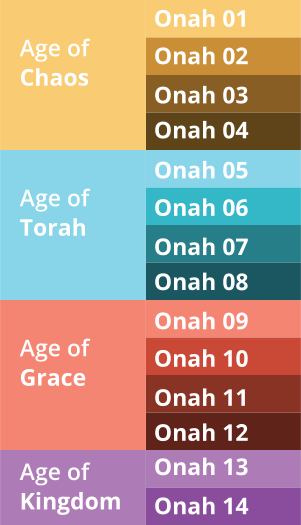
The Ages were broken down into two thousand year periods (as mentioned much earlier by the School of Elijah), in their time it was near the end of the age, the Age of Torah (Law). The Age before which was the Age of Tohu (Chaos) and the coming Age of Grace after Messiah's first visit (which most felt would be dominated by the Messiah) as well as the half Age of one thousand year Kingdom Age where Messiah would rest and finally reign after his second visit.
All these two thousand year Ages were made up of four Onah time periods each made up of five hundred years each.
Inside of each Onah were ten, fifty year Jubilee cycles. These would have a 10th Jubilee period that would be called the Final Jubilee of that Onah. The last, tenth Onah was the Final Jubilee period or final generation of the Age where a large bulk of key activities by God would take place. They all would mark a dramatic shift in God's relations with mankind.
Each fifty year Jubilee cycle is made up of seven seven-year Shemitahs and one single Jubilee year.
The next Final Jubilee of the Age of Grace/Messiah begins after the Spring of 2026 and goes till 2075-76 (give or take a year).
Events of the Final Jubilee of the Age of Chaos
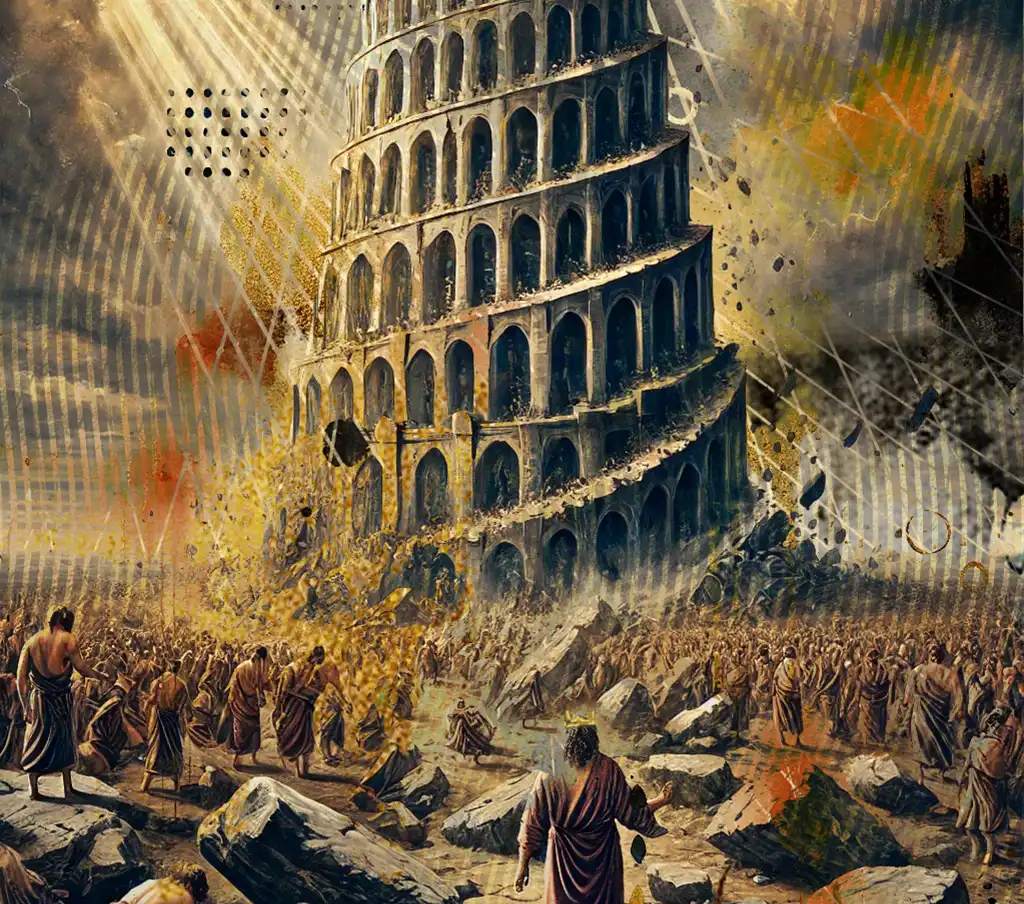
At the end of the first Age, the Age of Chaos, humanity saw the divorce of God from the nations and the destruction of the Tower of Babel. After the Great Flood just a few centuries prior humanity had organized into large empires run by Nimrod & Chedorlaomer and others. It was decided possibly by Nimrod to build a great Tower/Ziggarat/Temple to reach above the firmament to the Heavens directly in order to control God or even to conquer him and to make sure that God couldn't scatter them again like with the Flood.
The collapse and fall of the Tower of Babel by earthquake was recorded to be 1996 AM or halfway through Onah 4 / Jubilee 9 / Shemitah 7. This would make it 4 years before the End of the Age of Chaos. At that time God scattered the people and their languages, assigning them as children to lesser Elohim/Gods. Finally turning his focus on the Age of Order/Torah and creating for himself a Holy Kingdom and people of his own from the nomadic Abram.
Events of the Final Jubilee of the Age of Torah
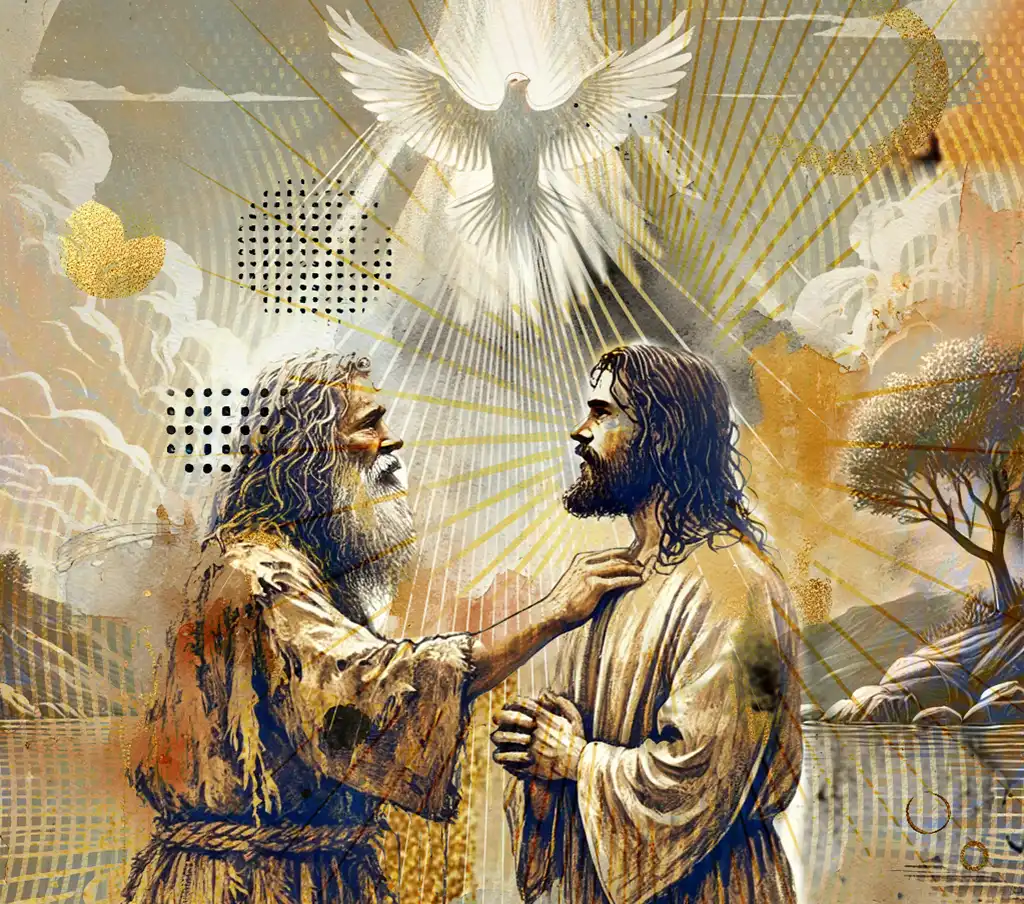
At the end of the second Age, the Age of Torah, humanity saw the arrival of the Messiah, his death and resurrection as well as the collapse of everything surrounding the 2nd Temple, its leaders, people and ultimately the Temples themselves (both in Jerusalem, Qumran & Egypt. These all happened between 3950 AM and 4000 AM or 25 AD and 75 AD this would be Onah 8 / Jubliee 9 to 10. This set the stage for the Church and the Age of Grace that brought the rest of the world into the house of Israel and the Kingdom of the Messiah.
Events of the Final Jubilee of the Age of Grace
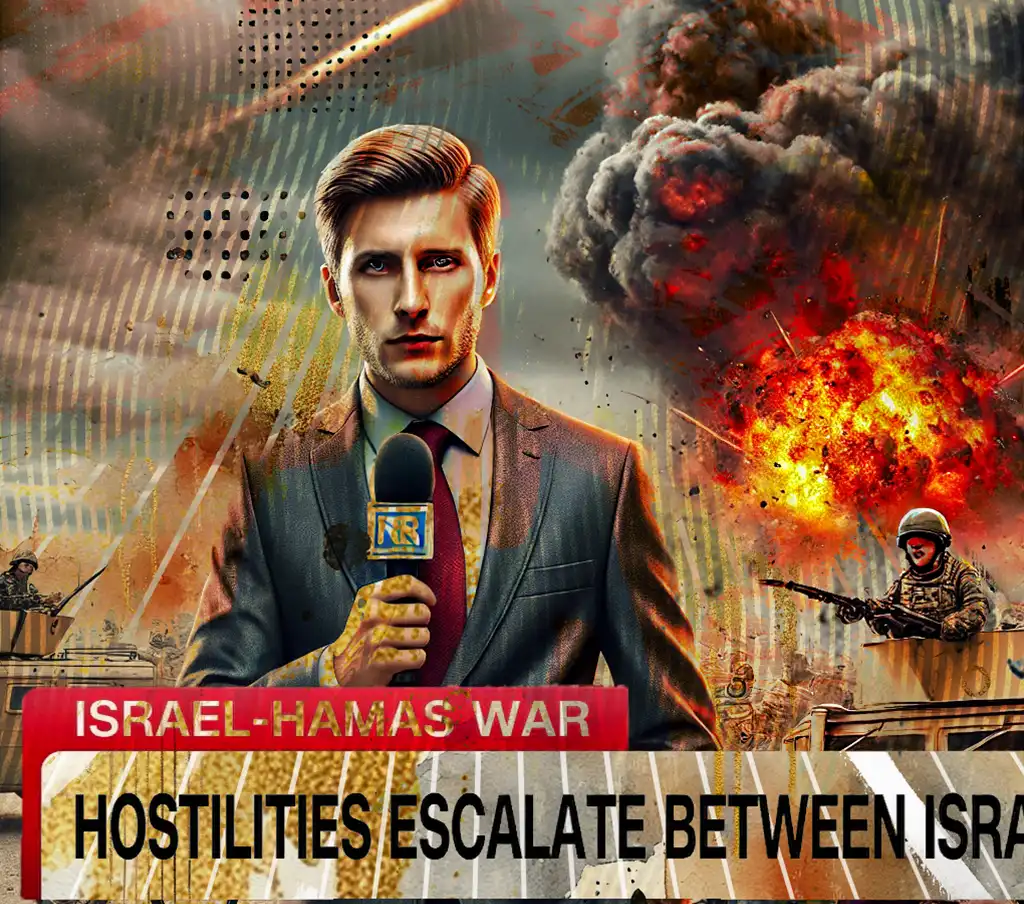
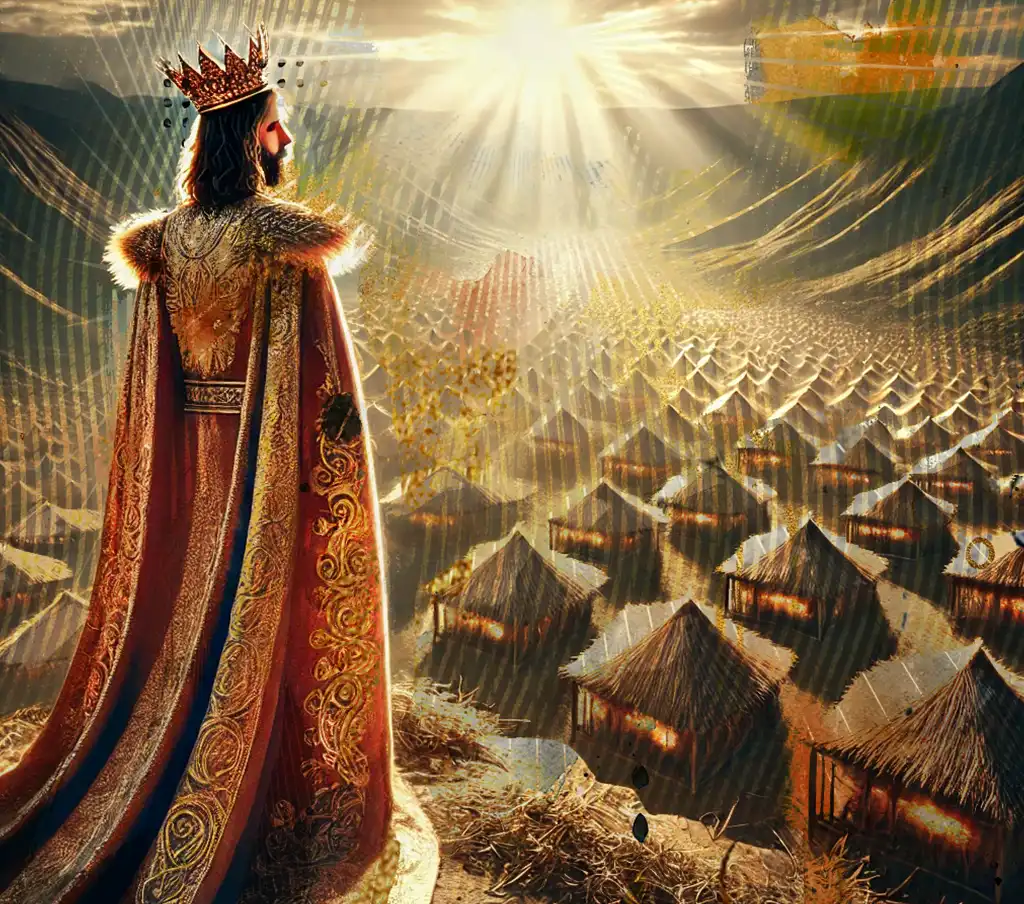
This is where we are now, entering into the end of the third age, the Age of Grace, and in the waiting room that is the Final Jubilee period of the Age (roughly 2026 to 2075 AD). This as with all Final Jubilees will see the most activity and fulfillment of prophecy and that is saying something considering the amount of prophecy concerning the second visit of Messiah greatly outweighs the first visit. The birth pains began in 1948 with the return of the nation state of Israel and are now coming to a crescendo over one hundred and twenty plus seven years, awaiting all the pieces to be on the board and fulfilled. This period will see the rise of the Antichrist, the signing of the peace accord, the rebuilding in some way of a temple for sacrifices, lots of battles that lead to the end of the nation of Egypt, the end of sacrifices, a killing spree that makes the holocaust seem tame in comparison and the ultimate surrounding of Jerusalem by military forces determined to destroy more than two thirds, but largely confused. This is all punctuated by the return of the Messiah in a very violent climatic battle to end all battles at a time of limited hope and which ushers in the start of his one thousand year literal reign as King of all nations.
Events of the Final Jubilee of the Kingdom Age
At the end of the fourth half Age (one thousand years in leu of two), the Kingdom Age which will have seen the development of the Kingdom of Heaven, the global management of nations from Jerusalem, annual harvests and festivals for all nations to attend to or risk no rain/moisture and ultimately the release of Ha'Satan one last time to whip nations who felt that they deserved more over the last 900 years to rally and work to overtake Jerusalem one last time. Proving once and for all time that even when given peace, health, prosperity, and the historical knowledge of what rebellion brings humanity still would rebel. This time bringing about the complete destruction of Earth and the Heavens and a new creation in their place for those of the Kingdom of Heaven. Leading them to the 8th day, an indetermined amount of time when humanity tarries with Yahweh a bit longer.
"Elijah will resolve all disputes in the end of days, including those about the calendar and the times appointed for redemption." -Talmud, Eruvin 43b
This may seem a lot to accept on face value, and it is at first until you read ancient documents.
There have been centuries upon centuries of mudding the message over the years since Jesus/Yeshua and even before him. The people of 2nd temple period Judah knew some of this but were also highly confused. They expected two Messiah's, Messiah Ben Joseph & Messiah Ben David. Joseph was a priestly Messiah that was destined to reunite Israel and Gentiles and would be pieced and die making the way for the Messiah most Jews really cared about, Messiah Ben David. David would be a concurring King who would eliminate the enemies of Judah and user in a period of reign over all the lands. There was a great amount of prophecy about when exactly this would happen.
The school of Elijah is recorded in the Sanhedrin as saying:
"Six thousand years is the duration of the world. Two thousand of the six thousand years are characterized by chaos; two thousand years are characterized by Torah, from the era of the Patriarchs until the end of the mishnaic period; and two thousand years are the period of the coming of the Messiah."
-Sanhedrin.97a.14
This is in line with a large amount of Jewish writings from earlier and later sources that echo the same idea as in the Seder Olam that:
"The world will last for 6,000 years: 2,000 years of desolation, 2,000 years of Torah, and 2,000 years of the days of the Messiah. In the seventh millennium, the world will be rebuilt in glory."
-Seder Olam Rabbah, Chapter 1
This is before you even get into the Dead Sea Scroll calendar which lays out the ages and their times. The cornerstone of which is 11Q13 or also called 11Q Melchizedek which states:
"He will cast] their [lot] amid the portions of Melchize]dek, who will return them there and will proclaim to them liberty, forgiving them [the wrong-doings] of all their iniquities. And this thing will [occur] in the first week of the Jubilee that follows the nine Jubilees."
-11Q13 Dead Sea Scrolls
This says in essence that this Messiah will proclaim liberty, & forgiveness of sins and this will happen in Onah 8/Jubilee 9/Shmita 1 (which is the time range of 26 AD to 32 AD) with the end of the age being 75 AD marked by the Council of Yavneh.
The ancient, educated, Jews knew this largely which is why many were not surprised about the messiah being among them in the Final Jubilee and even expected him just were unclear on the details. This is why John the Baptist asked are we to expect another, alluding to Messiah Ben David. This is why the apostles thought the end of the age (start of the Age of Messiah) would see his return possibly not realizing it wasn't just a short run to Spain (or really England) that Messiah required to spread the "Good News" but a much, much, larger globe that would take up most of the Age to spread the Good News.
Over the centuries though people forgot details or worse were lied too and forbidden by Rabbis to calculate the dates of Daniel to know that they had passed, later changing the calendar dates to try to say that the temple destruction was what Daniel was pointing to and not the Messiah.
Now that we have the Dead Sea Scrolls it has made clear many of the details and daily realities of the 2nd temple that were confusing and can more clearly understand the grand calendar of God and his plan that was mocked for its simplicity prior and is more understandable now as we race towards the end of the Age.
There are a great many details that need to be covered that are not mentioned in this narrative but are covered in the topics and people dossiers. More scrolls will be found over the Final Jubilee and ultimately Elijah and the other Witness will return at the apex to explain everything to a world that does not believe:
"Elijah will resolve all disputes in the end of days, including those about the calendar and the times appointed for redemption."
-Talmud, Eruvin 43b