
Dead Sea Scroll Calendar
Intro to the Calendar
The Dead Sea Scroll calendar is the 1st temple and prior Zadok 360 count/364 day solar calendar. This was the calendar used by the Jews until the Seleucid Greek empire forced Israel (167 BC) to use the 354 day lunar calendar. A calendar that would require adjustments of an entire leap month every three years moving the exact dates considerably. The switch to a lunar calendar was
“
For there will be those who will assuredly make observations of the moon -how (it) disturbs the seasons and comes in from year to year ten days too soon. For this reason the years will come upon them when they will disturb (the order), and make an abominable (day) the day of testimony, and an unclean day a feast day, and they will confound all the days, the holy with the unclean, and the unclean day with the holy; for they will go wrong as to the months and sabbaths and feasts and jubilees.
-Jubilees 6:36-38
On that day the night decreases to nine parts day and nine parts night, and the night is equal to the day and the year is exactly 364 days long.
-Ancient Book of Enoch 72:32
”
The Dead Sea Scroll calendar is a 12 month, 30 days each month fixed calendar that starts at the Spring Equinox and continues for 52 weeks. As the spring equinox would approach for the next year they would (most likely) calculate its date and start the next year on the closest Wednesday. This would be a self correcting system that would solve the leap year needs and keep the dates in order.
We know that the equinoxes and solstices were key for this by a few ways.
The Qumran Sundial & Gilgals
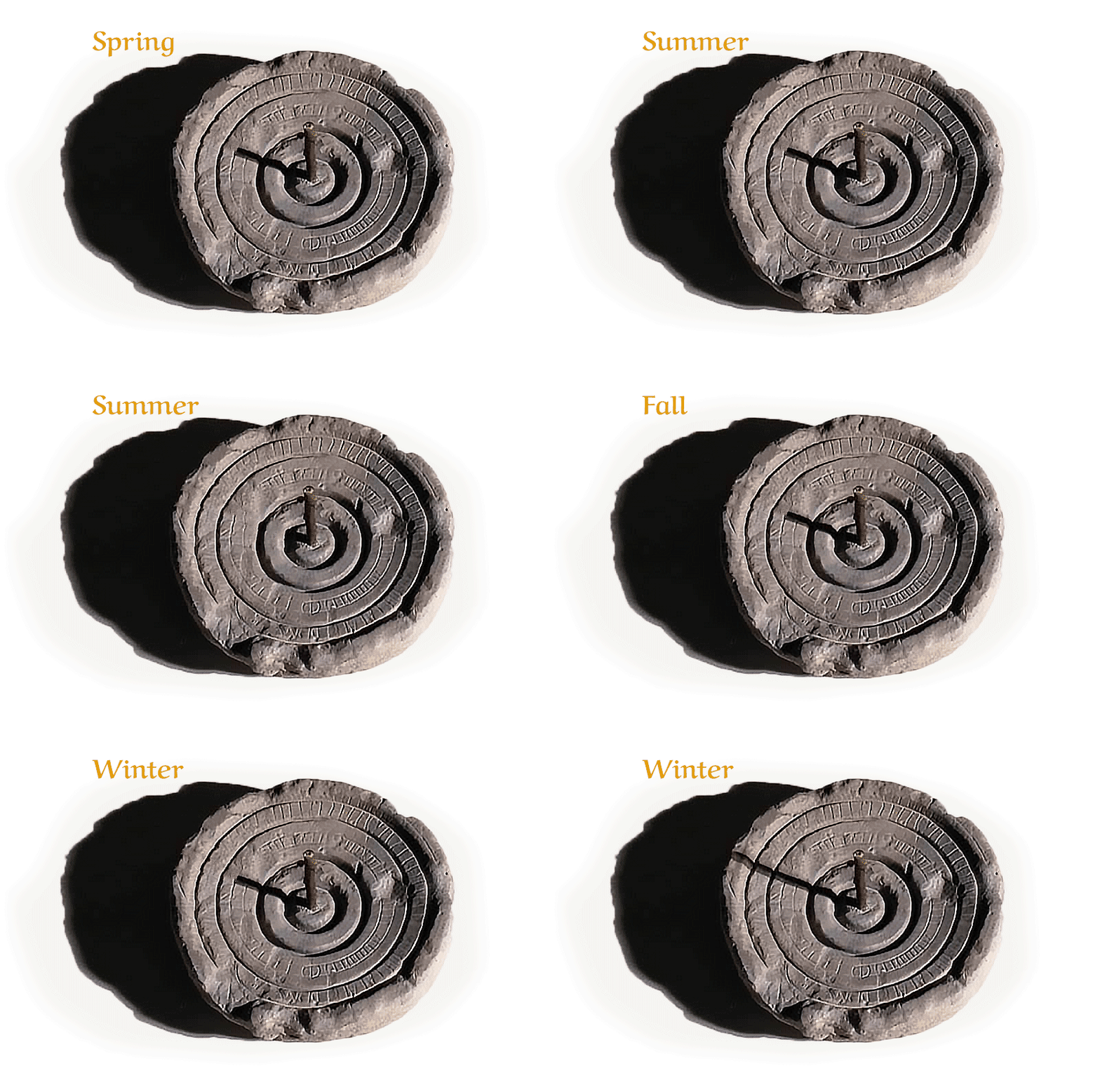
In with the Dead Sea Scrolls was found the stone Qumran Sundial or Qumran Roundel in 1997 (they have created an enlarged replica for visitors at the Qumran site). This sun dial has a calendar marked into it as well as a slot for a short upright stick called a gnomon. The shadow of the stick falls on the rings of the dial for the holiday seasons/new year dates of spring and fall (Priestly new year in the spring and Civil new year in the fall) and outside them for the non holiday seasons.
Table Of Content
Related Topics
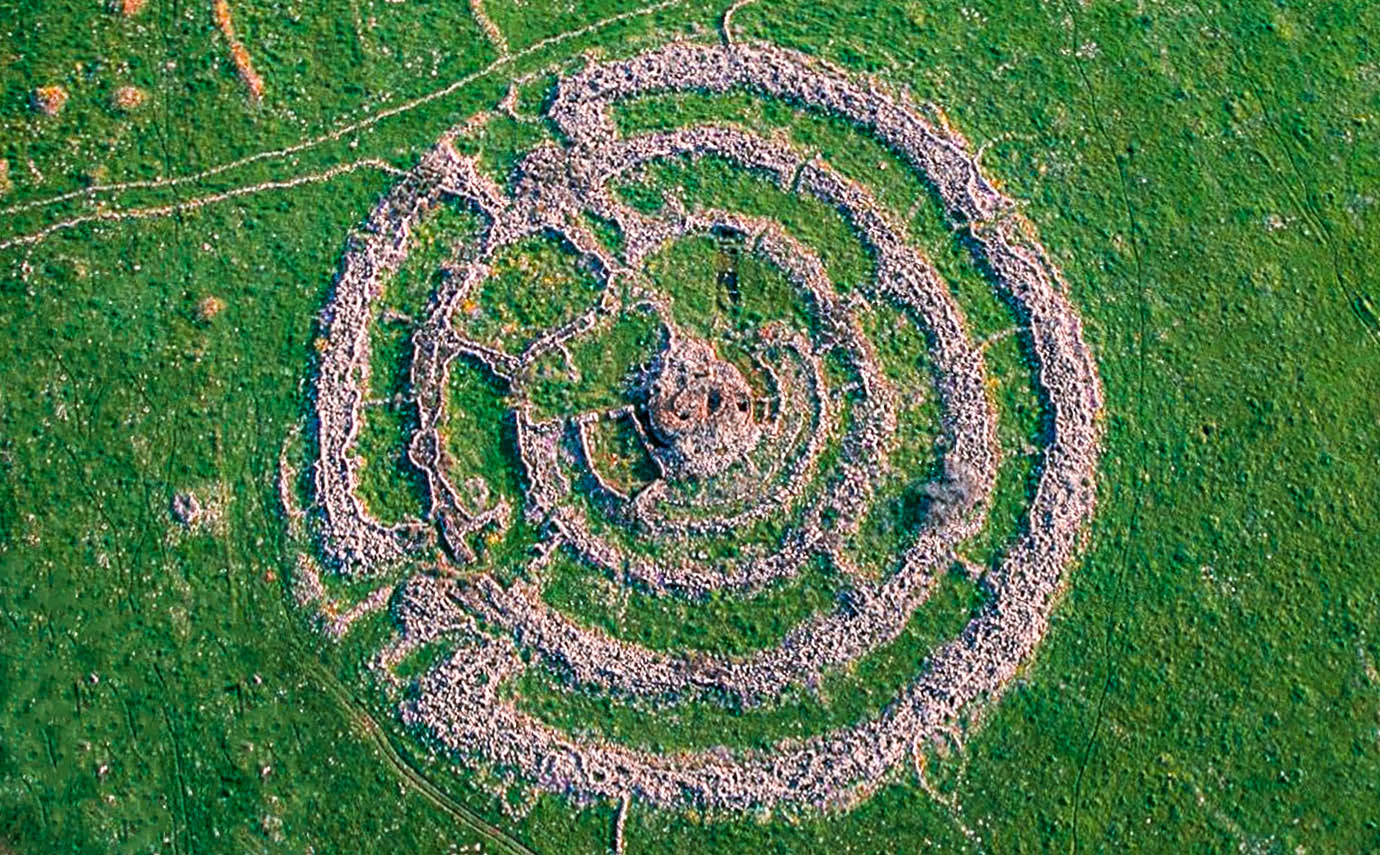
Similar structures can be seen in the Rujm el-Hiri (Gilgal Refaʾim) in the Golan Heights where the spring and fall equinoxes fall within the notches. During the summer solstice light shines down directly into the center chamber that one day of the year. The kings of Israel would speak with the prophets at a gilgal on high sabbaths and Rosh Chodeshs (first of the months sometimes including Tekufahs).
Tekufahs
To mark each season's solstice or equinox there was an uncounted day (four in total that brought the calendar to 364 days) called a Tekufah which was the Tuesday before each seasonal month start. Noah created laws recorded in the book of Jubilees, one of which was the Day of Remembrances which are the first day of each season designed to be set aside from work to be a holiday feast to remember the flood and connect with Father, the writings of the Patriarchs and Prophets and family.
“
“For I have written in the book of the first law, in that which I have written for thee, that thou shouldst celebrate it in its season, one day in the year, and I explained to thee its sacrifices that the children of Israel should remember and should celebrate it throughout their generations in this month, one day in every year. And on the new moon of the first month, and on the new moon of the fourth month, and on the new moon of the seventh month, and on the new moon of the tenth month are the days of remembrance, and the days of the seasons in the four divisions of the year. These are written and ordained as a testimony forever
-Jubilees 6:22-23
”
Read "Sadducees"
For more information see "Sadducees".
Read "Nicolaitans"
For more information see "Nicolaitans".
Read "Desires of the Messiah"
For more information see "Desires of the Messiah".